


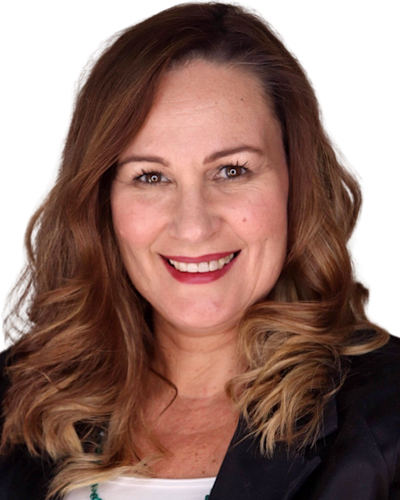
Ms Ashton Hayes
Social Worker AMHSW
Willowtree Wellbeing
Richmond, Melbourne VIC 3121
In Person + Telehealth
Philosophy & Vision
I am a trauma informed therapist with a particular focus on working with women through life transitions, perimenopause and menopause. This can be a time that is overlooked and misunderstood for many. The way I work involves listening to and affirming your experiences, getting to know what this time is like for you and looking at the links between hormones and unresolved trauma.
Using EMDR, parts work and other therapeutic interventions, we work together to make sense of what is happening for you, with a view to helping you feel better.
Going through midlife changes and beyond can feel isolating but it does not have to be. Your therapy experience is about how we can help you, check ins to make sure you feel connected with the experience and how we can adjust and change our approach if needed.
Background
In my career I have worked with people experiencing the impacts of trauma for over 20 years. Both in the legal field and in social work, I have worked to understand the experience of people and the impacts of their environments, seeing a person through the lens of things that may have happened to them, rather than a list of symptoms.
I also work as a professional clinical supervisor, mentoring, training and supporting other therapists through a trauma informed approach.
Services
I provide both in person and online support, offering a non-judgmental and collaborative space for adults and couples to work through what may be impacting them, understanding why they feel the way they feel and discover ways in which they can leave the therapy room feeling better.
Quality Provision
I am an Accredited Mental Health Social Worker (AMHSW), and a member of the Australian Association of Social Workers (MAASW). I am also an approved Medicare Provider and can offer rebates with an appropriate Mental Health Treatment Plan.
I am committed to ongoing professional development and attend supervision with qualified senior clinicians.
Areas of Interest
Accreditations
- Bachelor of Social Work (Hons) - 2008 - University of Sydney
- Master of Criminology & Criminal Justice - 2012 - Griffith University
Modalities
ACT - CBT - DBT - EMDR - Gottman Method - Internal Family Systems - Mindfulness - Strengths-Based - Systems Theory - Trauma-Informed
Therapy Approach
My approach is to work through a trauma informed lens, promoting trust and empowerment, whilst providing a safe space to identify and process life experiences. Exploring what is happening for you now, as well as what has happened to you before, we work on what will help you to feel relief now, as well as assisting with resourcing you can draw upon in between sessions and after our work together is done.
Professional Associations
- Australian Association of Social Workers
Practice Locations
620 Bridge Road
Richmond VIC 3121
Fees & Insurance
$220 per session for individuals
$380 per initial couples session
$330 for ongoing couples session
Payment Options
Card payments
Bank transfer
Contact Ashton
Please contact me to make an appointment
A conversation with Ashton Hayes
-
In my early career I was working with people who had been significantly impacted by trauma and the way in which they moved through the world because of this was being used to characterise them in unfair ways. I decided to work in the therapeutic space, to help people understand why they were feeling and responding in ways that were not helpful for them, and then working towards recovery from what had happened to them.
-
Trauma informed care and attachment work have influenced my professional development. Seeing people thorugh the lens of the environment around them rather than a list of symptoms, is important to the work of resolving and healing from trauma. To quote Bruce Perry, I think more of "what has happened to you" and not "what is wrong with you"
-
Perimenopause and menopause can be a confusing and misunderstood time of life. Up until recently it was something that was not openly talked about and kept hidden. This means that women were being left to navigate what is often years and years of symptoms and mental health concerns that they were unsure who to talk to about. It is also a time that can be dismissed as just a part of life, without any further support. Evidence has also shown that with a change in hormone levels, unresolved trauma can re-emerge, which can add to both confusion and distress. Helping women through this time can make a big difference to how they move through it and come out the other side feeling better and less alone.
-
I use a number of methods to support women and couples. Rather than focus on a single modality, part of our work together involves assessing need as well as goals and then developing a suite of therapeutic interventions that can address a number of different areas. Both EMDR and IFS can make a world of difference to people, but everything is done providing psychoeducation and obtaining informed consent, so that we are collaborating in our work together.
-
Each client is very different. The first session can be challenging and this can be confusing if the expectation was to feel better right away. As trust builds, so does healing and collaboration means that checking in is a regular part of our sessions. Small changes can be as impactful as big breakthroughs and the healing process is not linear, but the therapeutic support remains throughout the time we spend together.
-
Therapy has added to my reflective process. Reflection is such a great tool for understanding yourself and for development, both personally and professionally. I also see therapy as an ongoing process. Not something that is "one and done" but rather, something that can be accessed during times of high distress but also something that can be accessed as maintenance.
-
I like seeing people realise that the things around them have impacted them. When people make small breakthroughs and connections and you can see it on their faces, it's a rewarding experience.
-
It can be hard for people to be present in the moment. It may sound cliche but sometimes we are so desperate to remember the moment, that we forget to feel it whilst we are in it.
-
Wild by Cheryl Strayed. It's inspiring because she was able to survive childhood trauma and terrible grief and loss. It's a book that does not shy away from the behaviours that Cheryl engaged in, which were part of the trauma she experienced. But it also shows her wanting to heal and being able to use her writing as part of that healing. I recommend it to everyone.